
Preparedness Resources

SDG&E Preparedness Message

Managing energy bills can be challenging in cold weather. But did you know that SDG&E offers several assistance programs to help customers reduce their energy costs and improve energy efficiency. 

1. California Alternate Rates for Energy (CARE) Program – The CARE program provides a 30% or more discount on monthly energy bills for eligible households. Eligibility is based on household size and income, or participation in certain public assistance programs. Applying is quick and easy, with no documentation required. Find out if you qualify at sdge.com/CARE.

2. Family Electric Rate Assistance (FERA) Program – FERA offers 18% discount on electric bills for households with three or more people who exceed CARE income limits but still meet FERA guidelines. This program helps larger families manage their energy expenses more effectively. Learn more at sdge.com/FERA.

3. Energy Savings Assistance (ESA) Program – The ESA program provides no-cost energy-efficient home improvements to income-qualified customers. Services and products may include attic insulation, energy-efficient refrigerators, weatherstripping and more. The program aims to reduce energy use and help lower bills. Find details at sdge.com/ESA.

4. Medical Baseline Allowance – Customers with certain medical conditions may qualify for additional energy at the lowest rates through the Medical Baseline Allowance program. This helps offset the cost of operating medical equipment or maintaining necessary heating and cooling. Learn more at sdge.com/Medical.

5. Payment Arrangements – If you’re having trouble paying your energy bill, you can request an extension to help avoid interruptions to your service. Flexible payment arrangements are also available to help you pay down past due balance. Learn more at sdge.com/PublicArrangements.

Wildfire Preparedness

Wildfire Action Plan

Download this Ready, Set, Go wildfire action plan to learn more about defensible space, home hardening, and evacuation planning.
Wildfire Home Retrofit Guide

Download this easy to follow guide to learn how hardening your home can prevent ember intrusion and be better protected from wildfire.
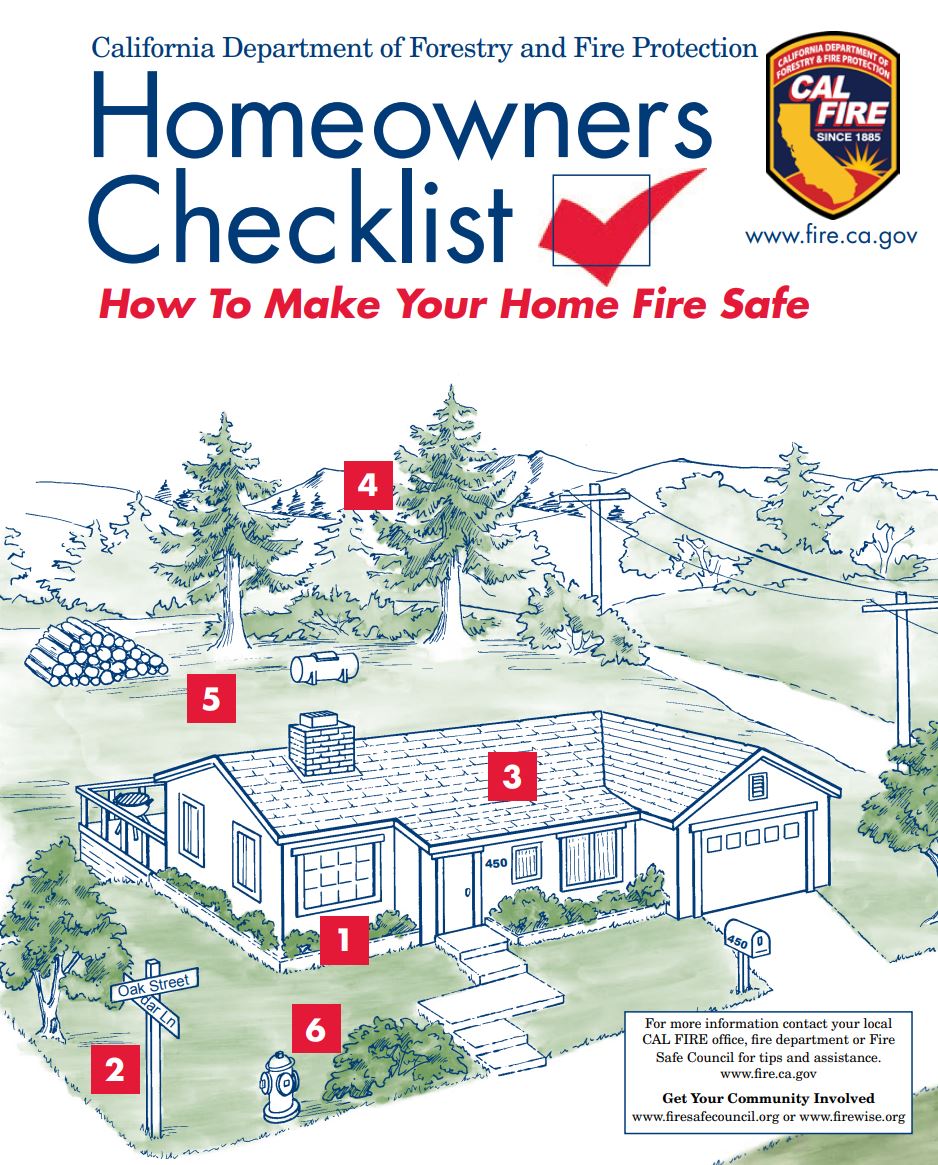
Homeowners Checklist for Fire Safety

Download this checklist to review your property for defensible space and home hardening improvements.
Emergency Planning

Personal Disaster Plan

Visit County of San Diego Office of Emergency Services to download your Personal Disaster Plan in one of 12 languages.
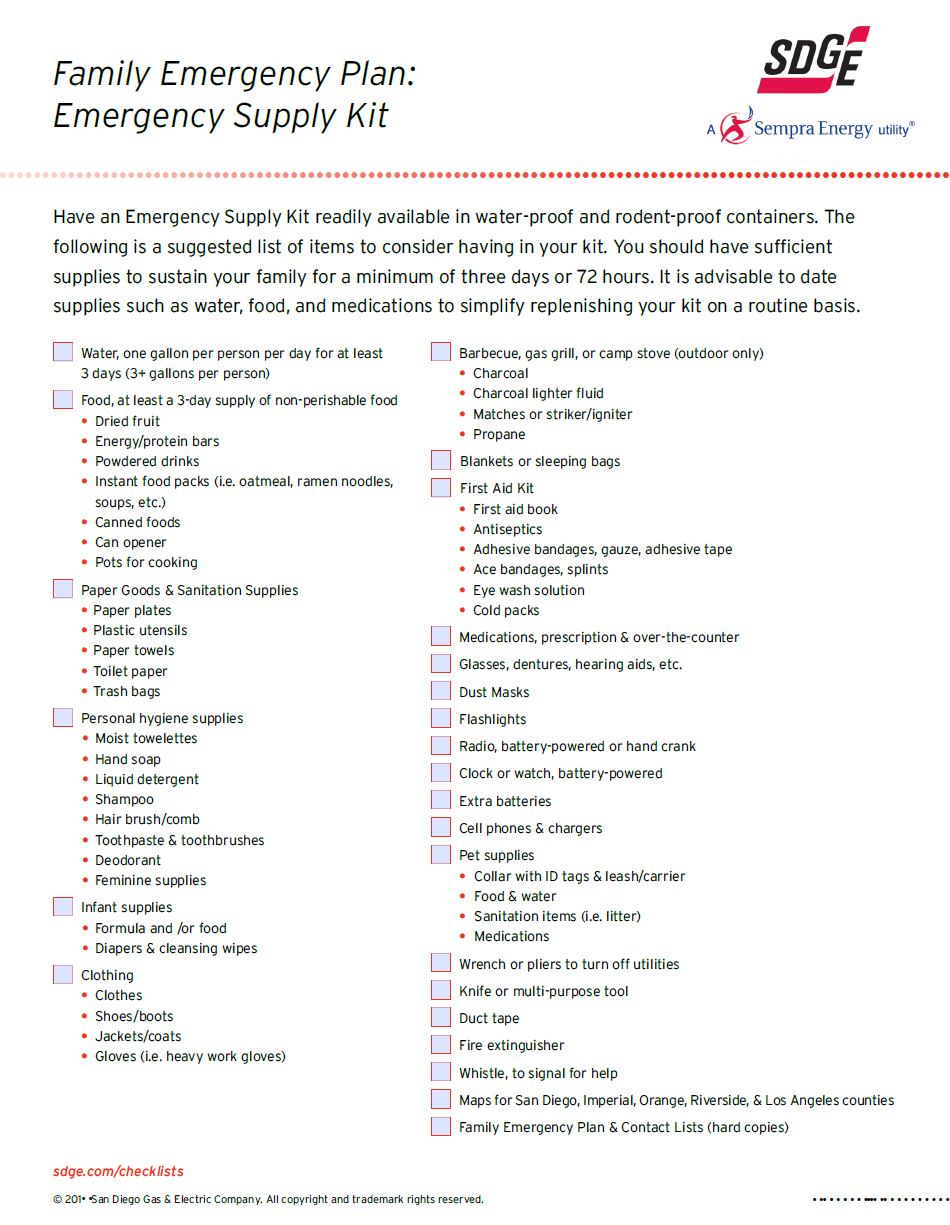
Emergency Supply Kit

Download this list of recommended items to start a family emergency supply kit or "stay box" for your home.
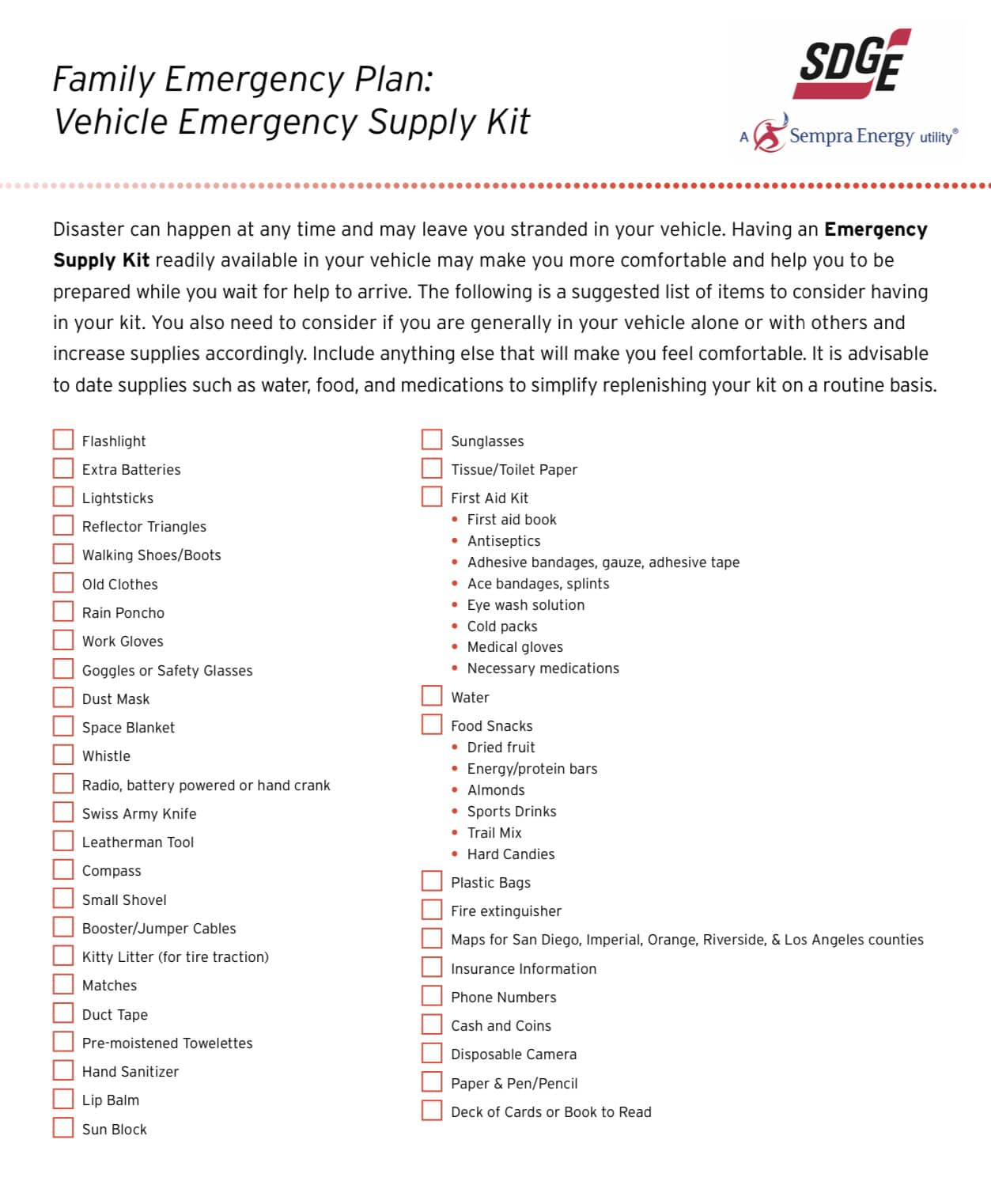
Vehicle Supply Kit

Download this list of recommend items to start your Vehicle Emergency Supply Kit.
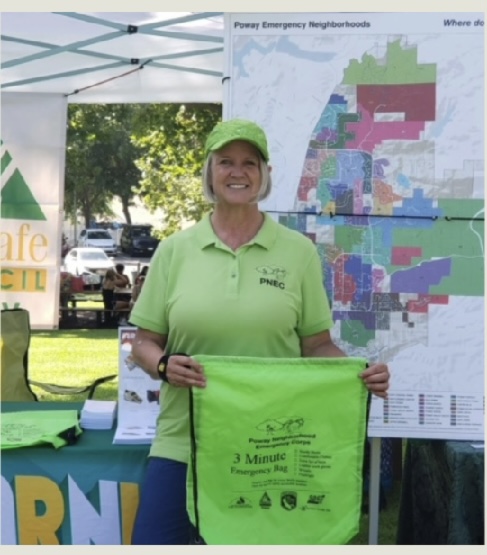
Build Your Three-Minute Bag

Get Your Bag

If you see us out an event, ask us about how to get your own three-minute bag. These bags are just big enough to hold what you need for a fast evacuation.
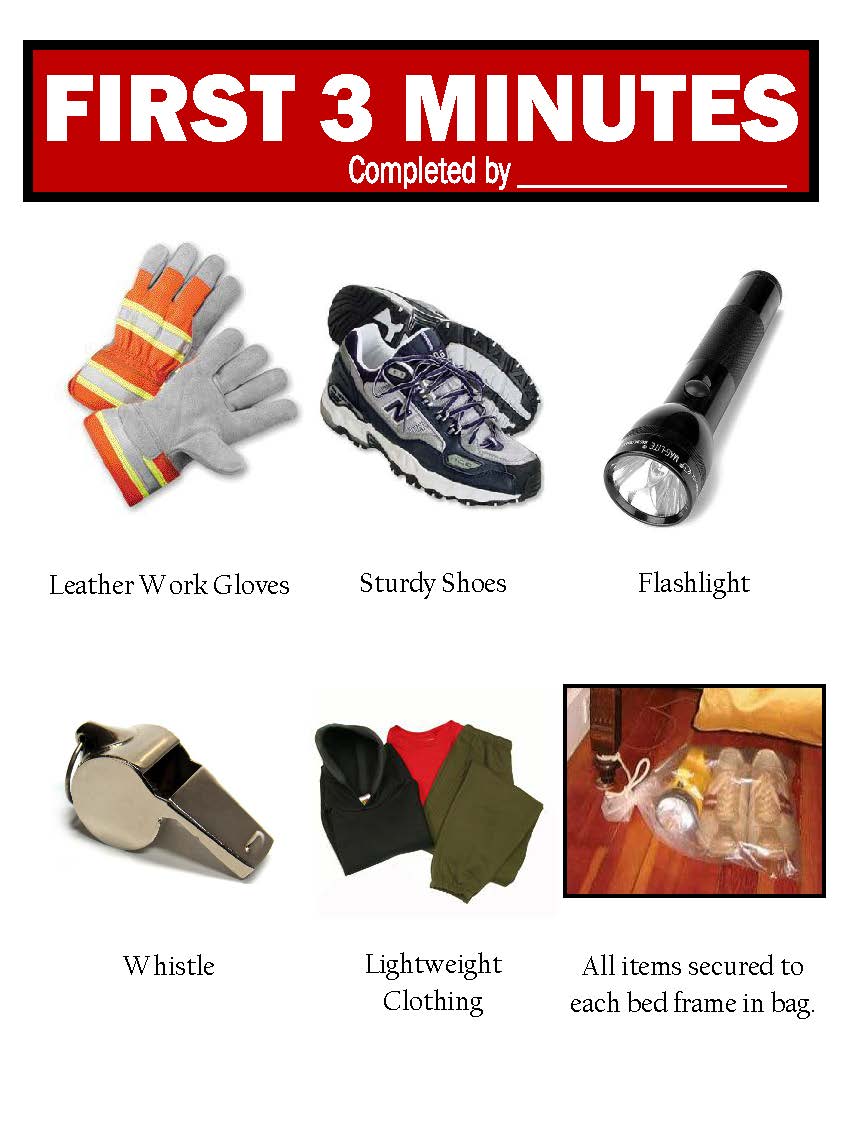
Gather Essential Supplies

Download this list of essential supplies to include in your three-minute bag. Think about what you might need to evacuate in the middle of the night with no warning.
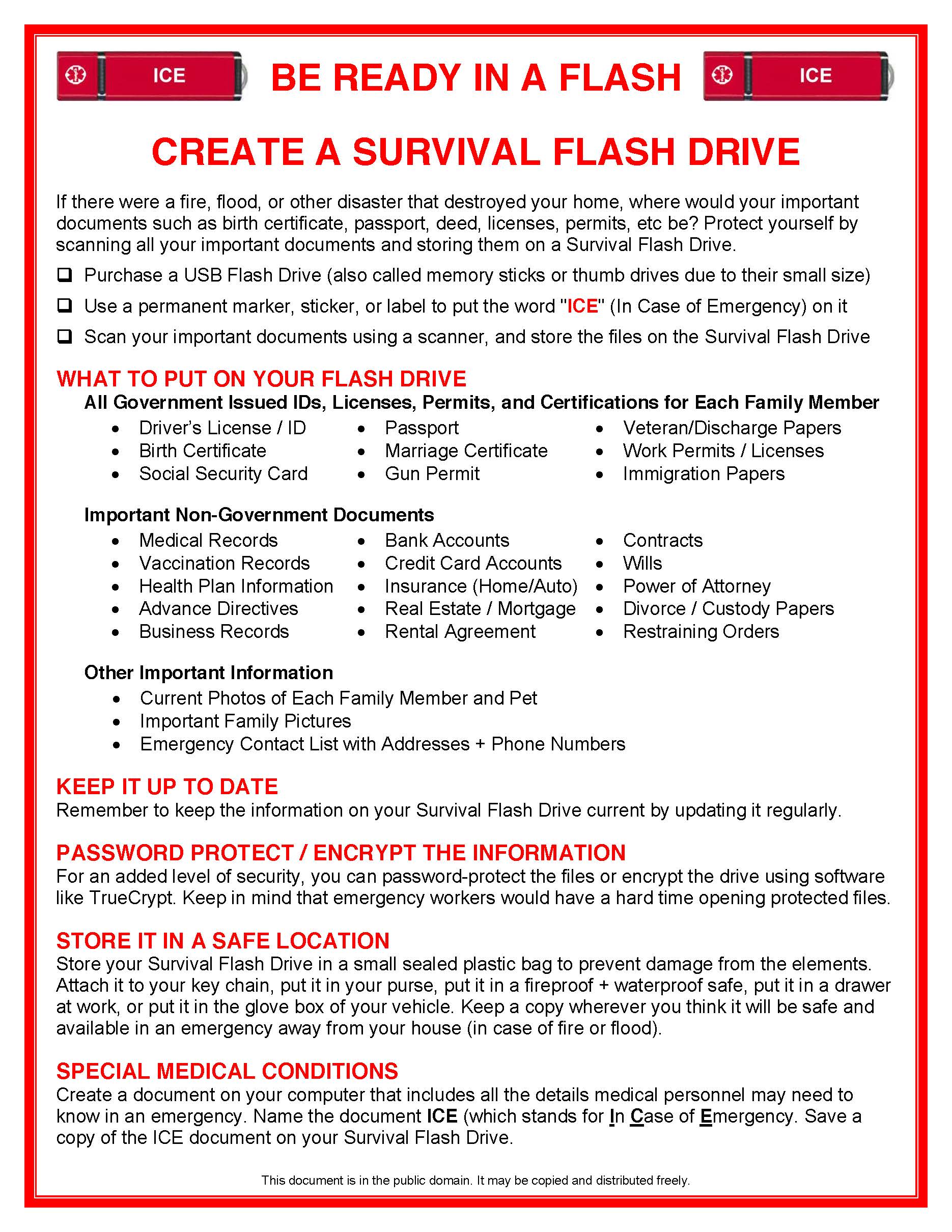
Survival Flash Drive

Gather important documents, scan them, and store them on your survival flash drive. Keep the flash drive in your three-minute bag so you don't lose access to your vital records.
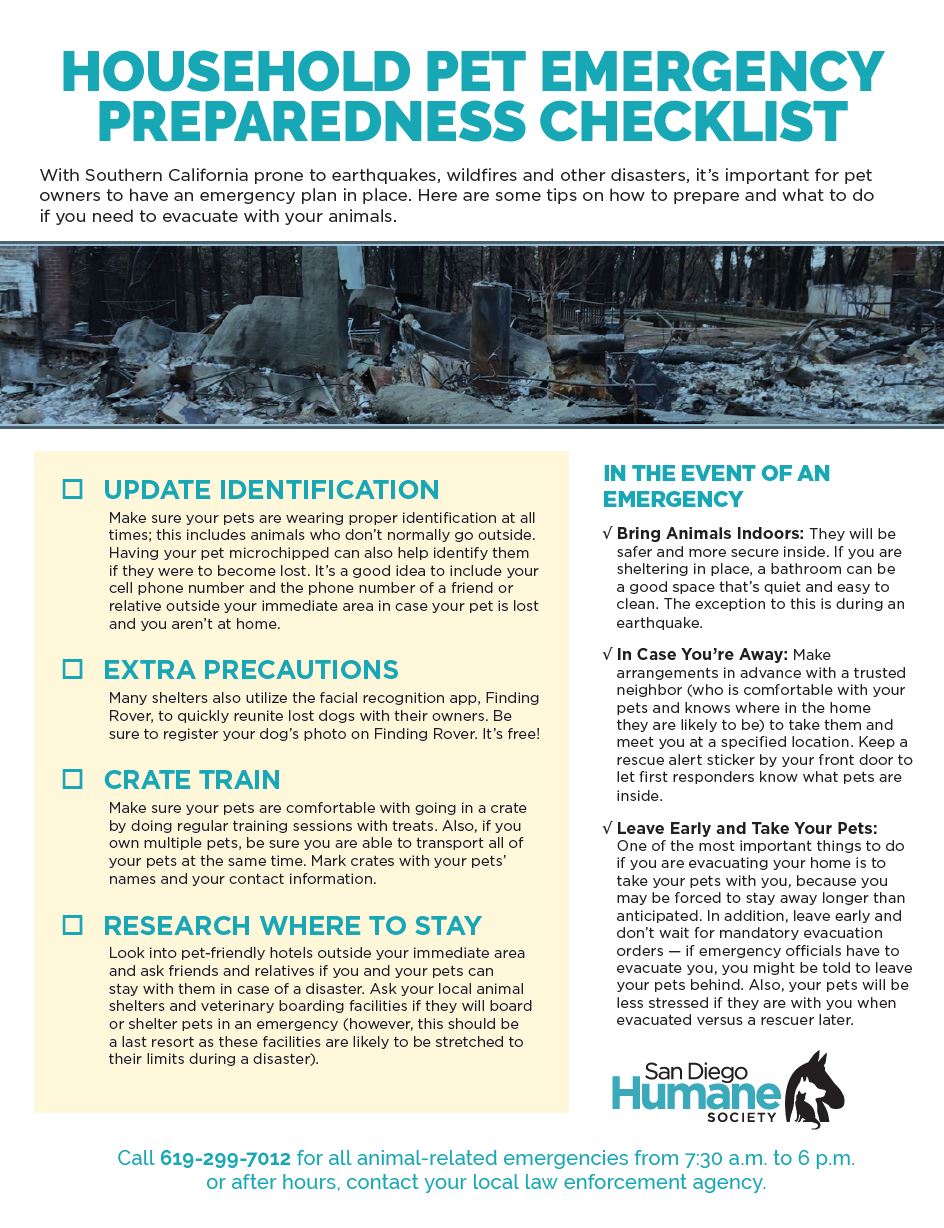
Planning for Pets & Large Animals

Household Pet Checklist

Download this Household Pet Emergency Preparedness Checklist for tips on how to prepare your pets for an emergency.
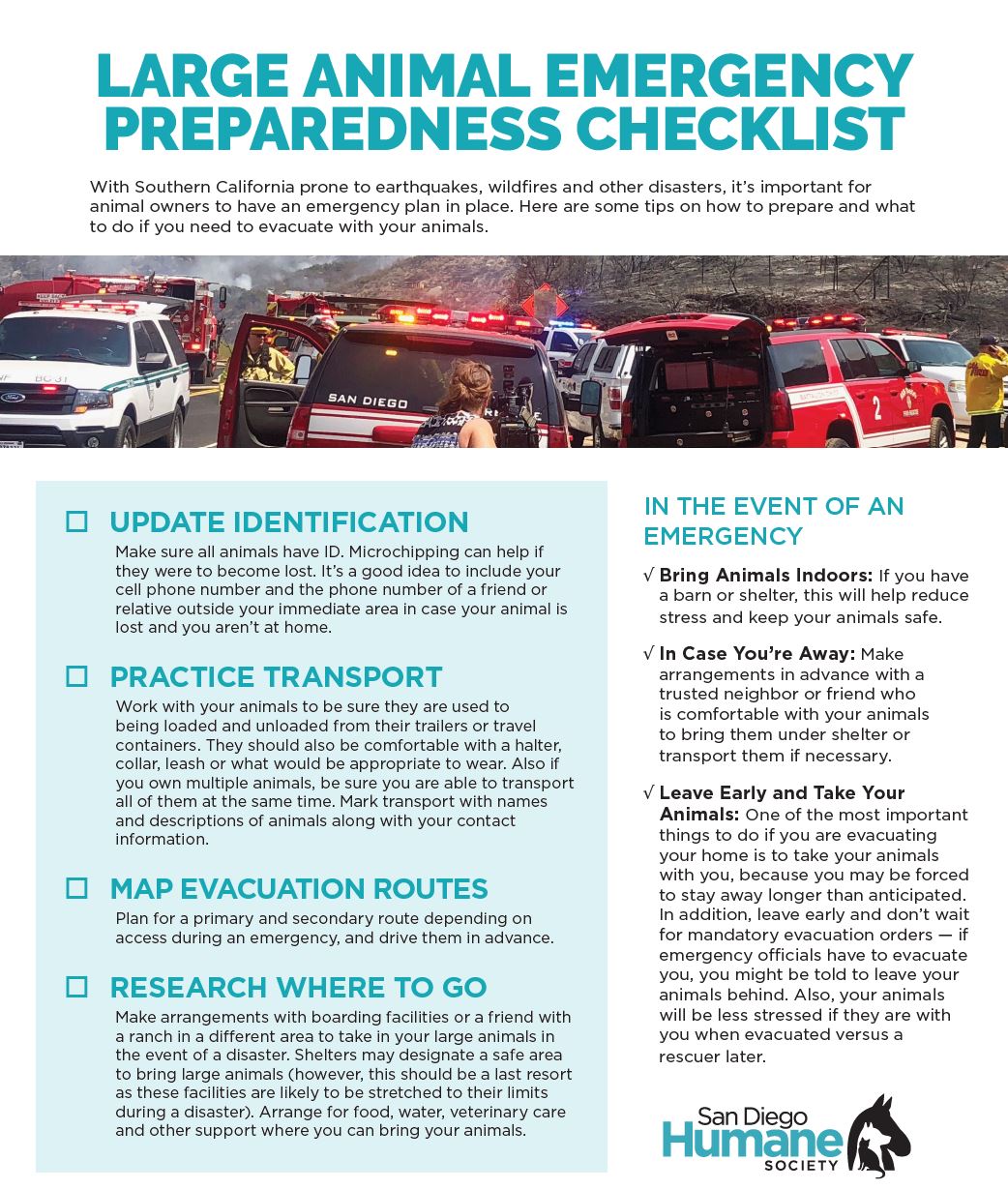
Large Animal Checklist

Download this Large Animal Emergency Preparedness Checklist for tips on how to prepare large animals for an emergency.
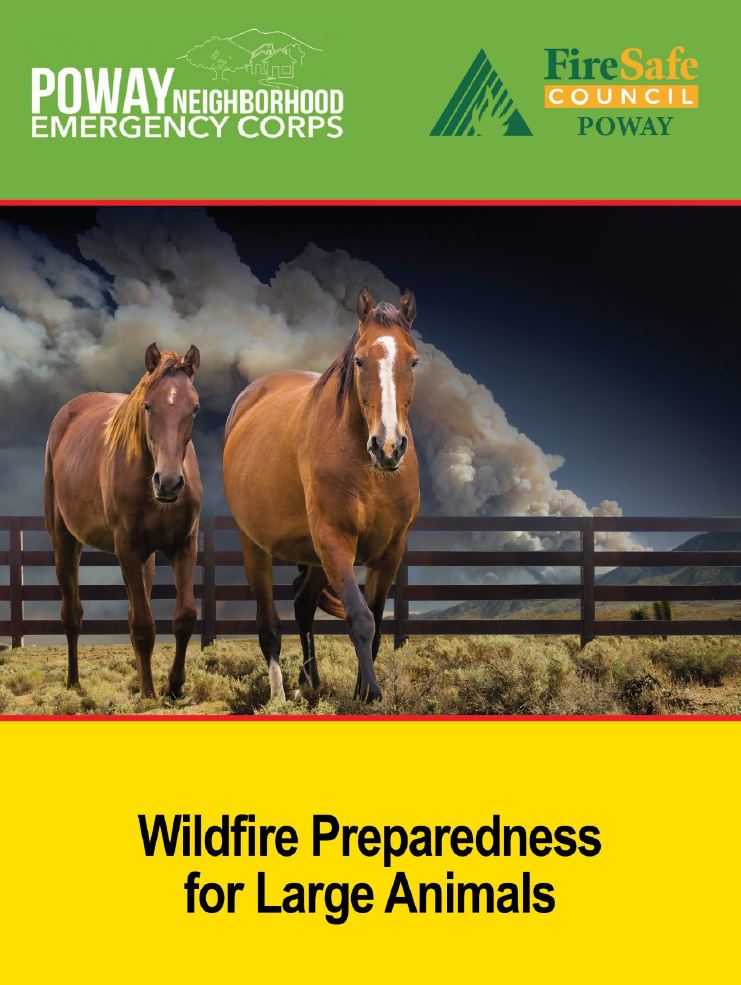
WIldfire Preparedness for Large Animals

Download this packet of resources with information regarding wildfire preparedness and planning for large animals.
Emergency Alert Resources

Alert San Diego

Register your cell phone with Alert San Diego, the County's reverse 9-1-1 system, to be notified of an emergency near your registered address.

SD Emergency

Download the SD Emergency App to have easily accessible planning, response, and recovery information at your fingertips.
Poway City App

The Poway City App plays a critical role in communicating with Poway residents by providing direct links to the latest city updates and key emergency resources.

Partners in Preparedness

Poway Risk Context

A large area of Poway is located within the Very High Fire Hazard Severity Zone (VHFHSZ), reflecting the city’s exposure to wildland fire. Poway’s steep terrain, valleys, chaparral vegetation, warm dry climate, and Santa Ana wind events all increase wildfire risk. For that reason, preparedness in Poway is not just about kits and alerts; it also includes defensible space, structural hardening, and evacuation planning.

The City of Poway adopts the International Fire Code and California Fire Code with local amendments that address the community’s climatic, geologic, and topographic conditions. Fire prevention and vegetation management programs are part of the broader local strategy for reducing wildfire impacts before an incident starts.

Fire History

Major portions of Poway were evacuated during both the 2003 Cedar Fire and the 2007 Witch Creek Fire. These fires remain central to local preparedness planning because they showed how quickly wind-driven wildfire can threaten neighborhoods across the community.

The Cedar Fire started on October 25, 2003 and ultimately burned 273,246 acres in San Diego County. In Poway, it destroyed 53 residential units, one business, and burned 7,000 acres. The 1967 fire destroyed 16 homes in Poway and resulted in major evacuations. The Witch Creek Fire of 2007 again forced widespread evacuations and reinforced the need for layered evacuation, hardening, and public-alert planning.

Defensible Space & Structural Hardening

The creation of defensible space around structures is an important part of reducing wildfire intensity and improving firefighter safety. Poway has codified defensible space requirements, and local preparedness efforts emphasize helping residents understand those requirements, maintain vegetation, and reduce fuels near homes.

Structural hardening is the companion strategy. In the VHFHSZ, hardening practices such as ember-resistant vents, ignition-resistant materials, and other retrofit improvements help reduce vulnerability to ember intrusion and radiant heat. PNEC and the Fire Safe Council reinforce these efforts by connecting residents to practical guidance, educational materials, and qualified help.

  • Review your property for vegetation, access, and fuel hazards.
  • Use the wildfire action plan and homeowner fire-safety checklist already linked above.
  • Plan for both routine maintenance and longer-term retrofit improvements.

Evacuation Planning

Evacuation planning in Poway is dynamic and neighborhood-specific. Residents are encouraged to know two ways out of their neighborhood and two ways out of the community. Major evacuation corridors generally include Poway Road, Espola Road to Rancho Bernardo Road, Scripps Poway Parkway, Ted Williams Parkway, Pomerado Road, and Interstate 15.

The City of Poway and the American Red Cross have identified authorized evacuation sites and overnight shelter locations, but residents are not assigned to one in advance. During an emergency, open sites and Temporary Evacuation Points (TEPs) are announced as conditions change. Poway also identifies Temporary Safe Refuge Areas (TSRAs) that can serve as shelter-in-place options if normal routes become impassable. Review your local route plan before an incident and register for Alert San Diego so notifications reach you quickly.